SEI
Modernizing legacy finance reporting through systemic design. A comprehensive digital overhaul focused on merging fragmented legacy products into a streamlined modern platform.


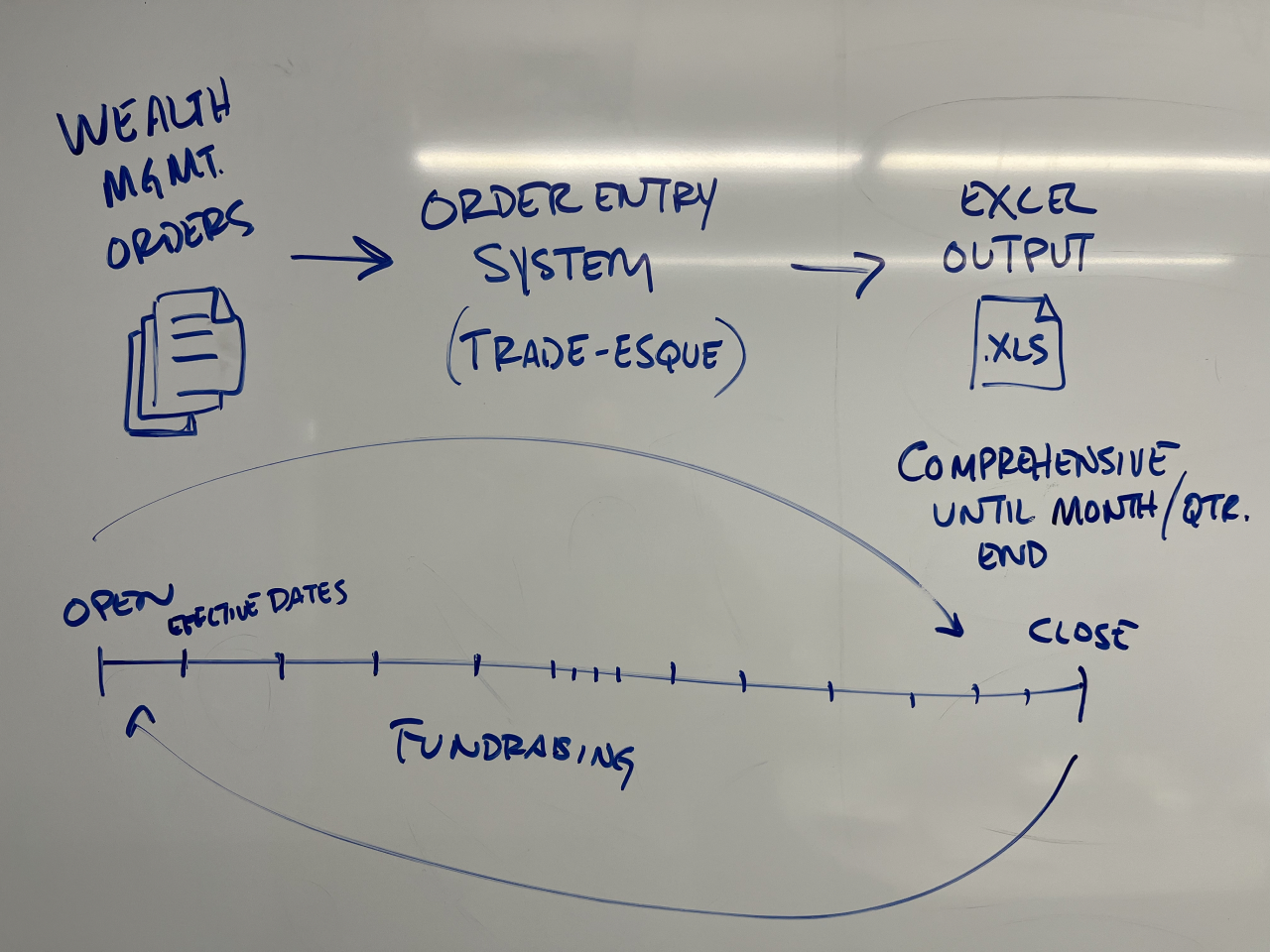
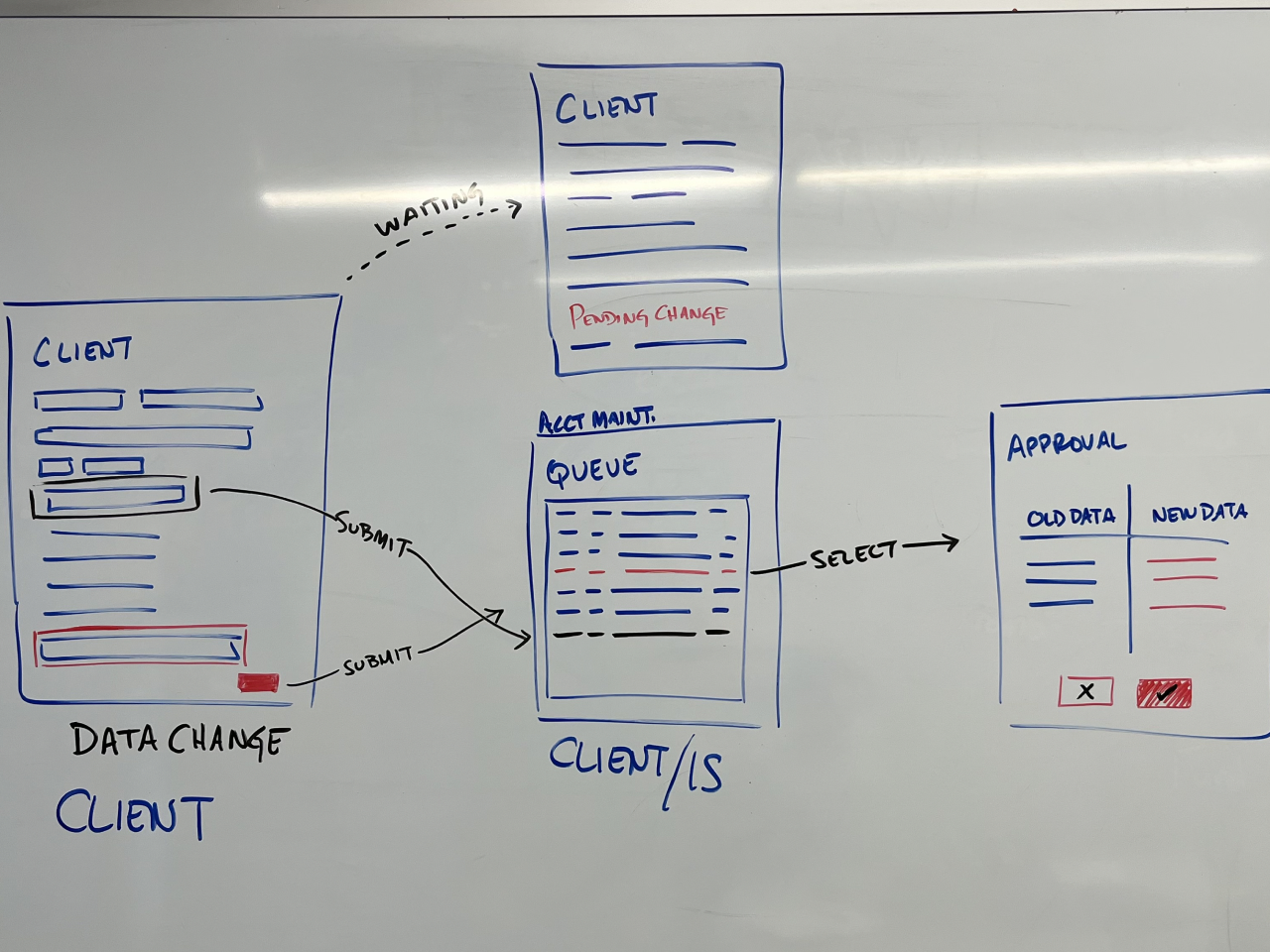
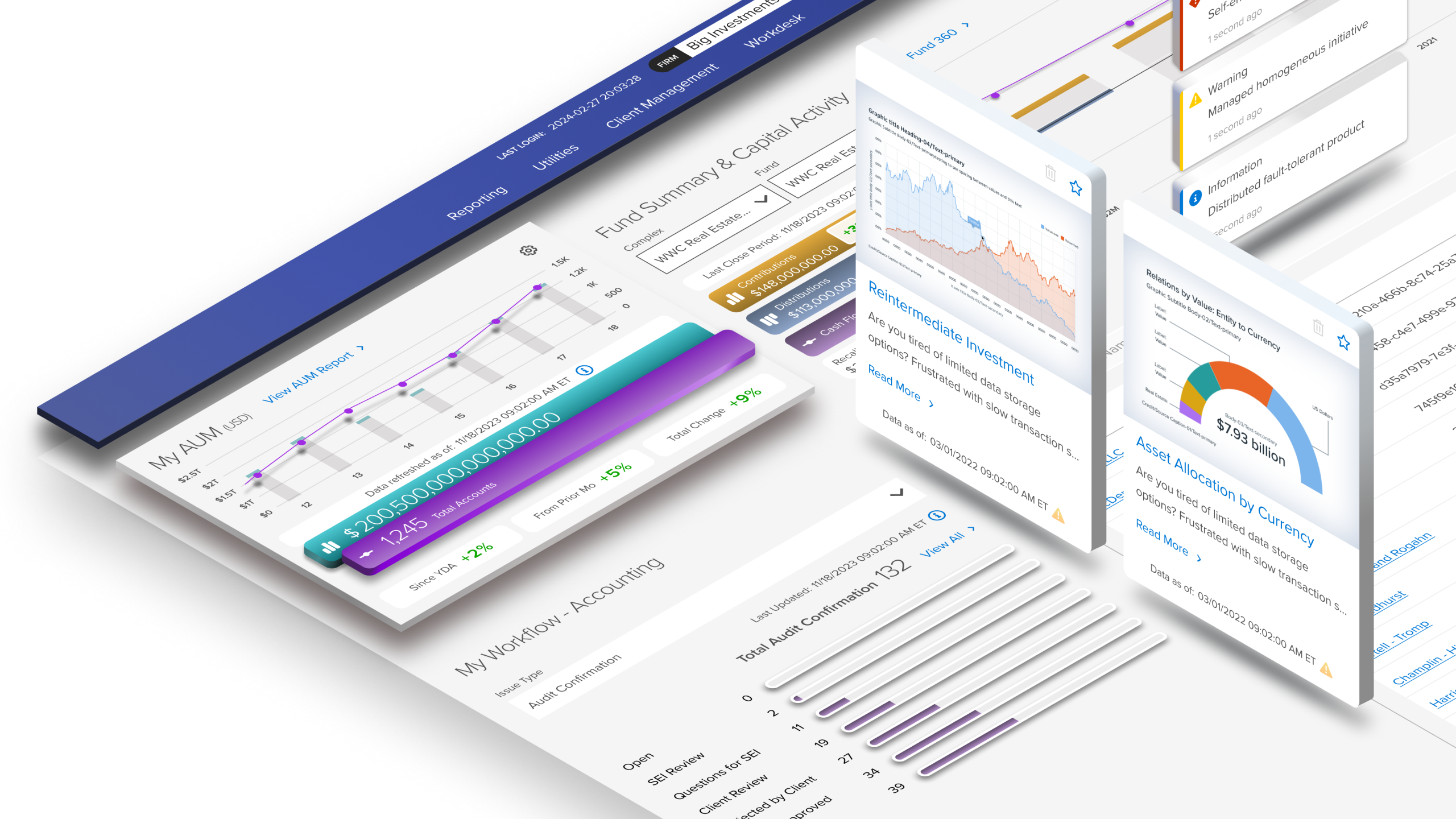
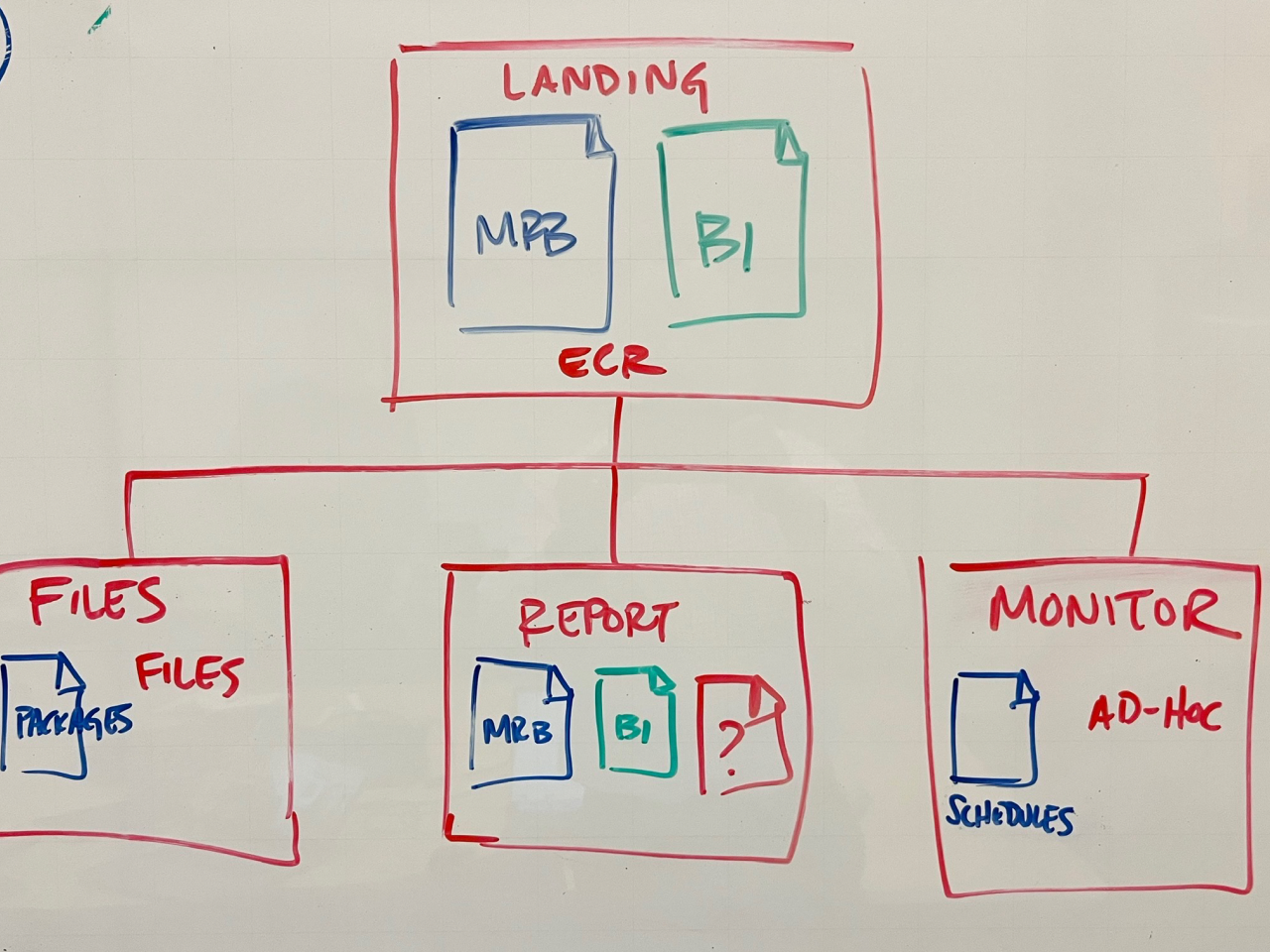
Outputs
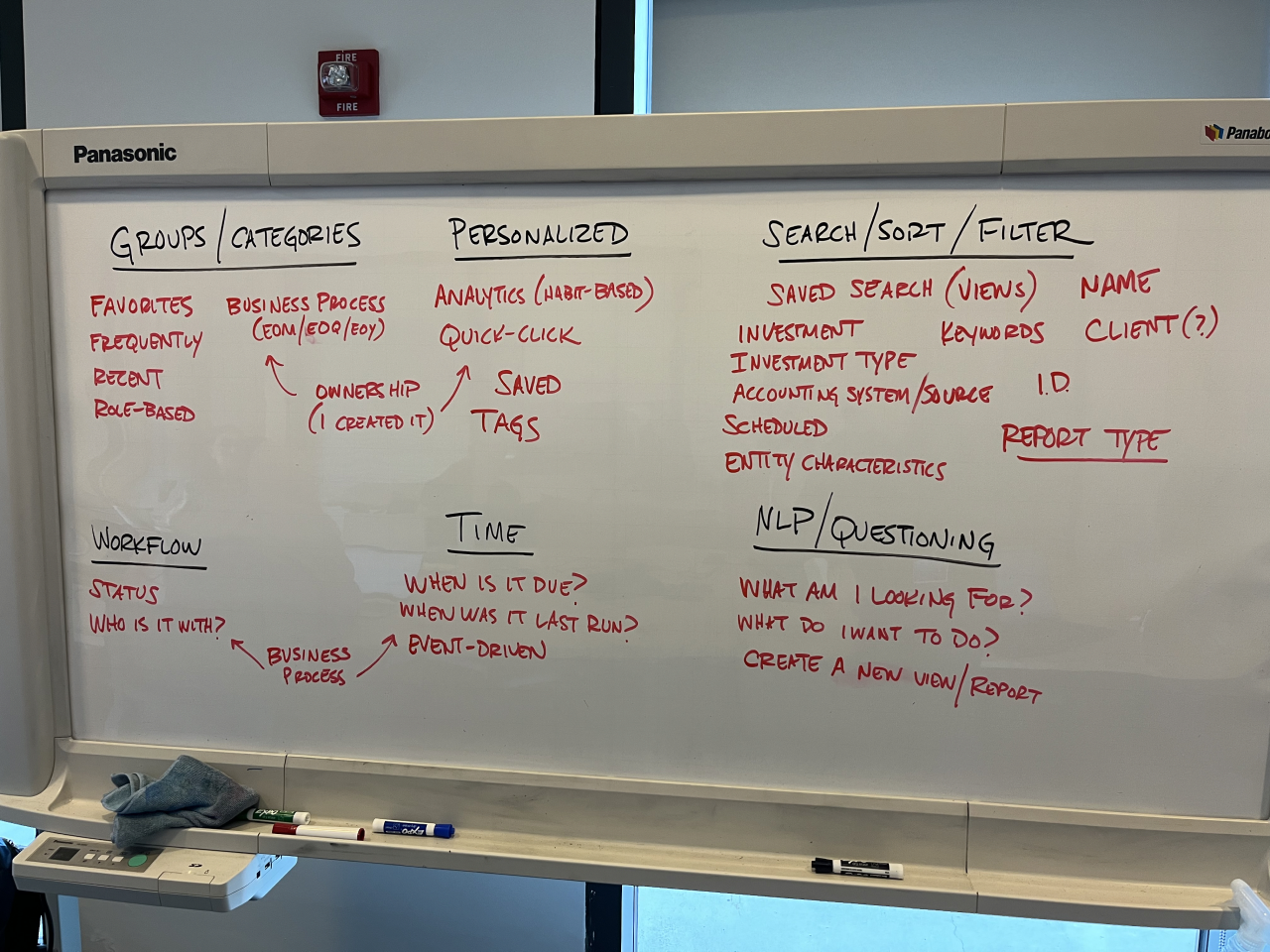
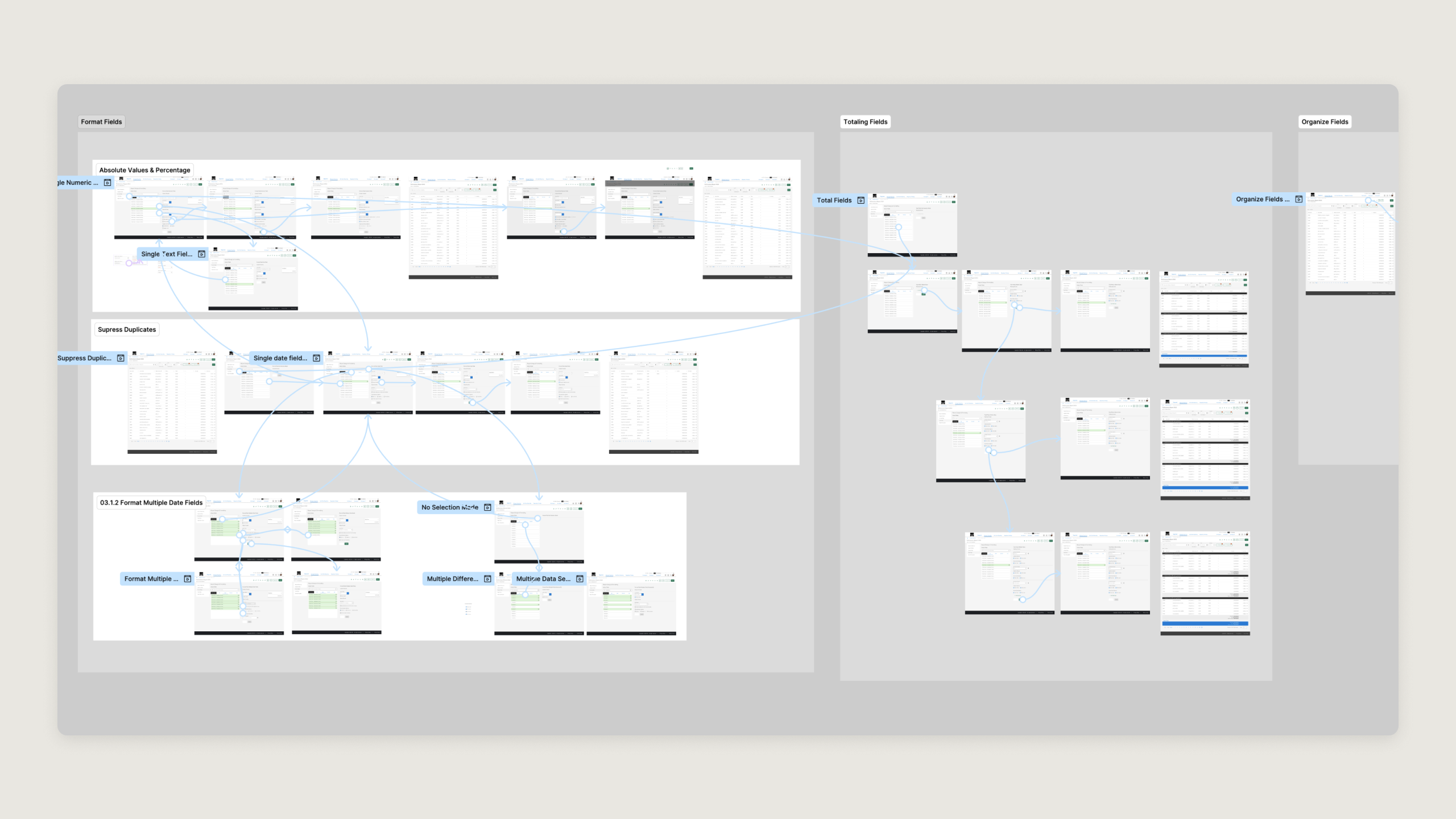
- Workflow maps and schematic drawings
- Discovery workshops
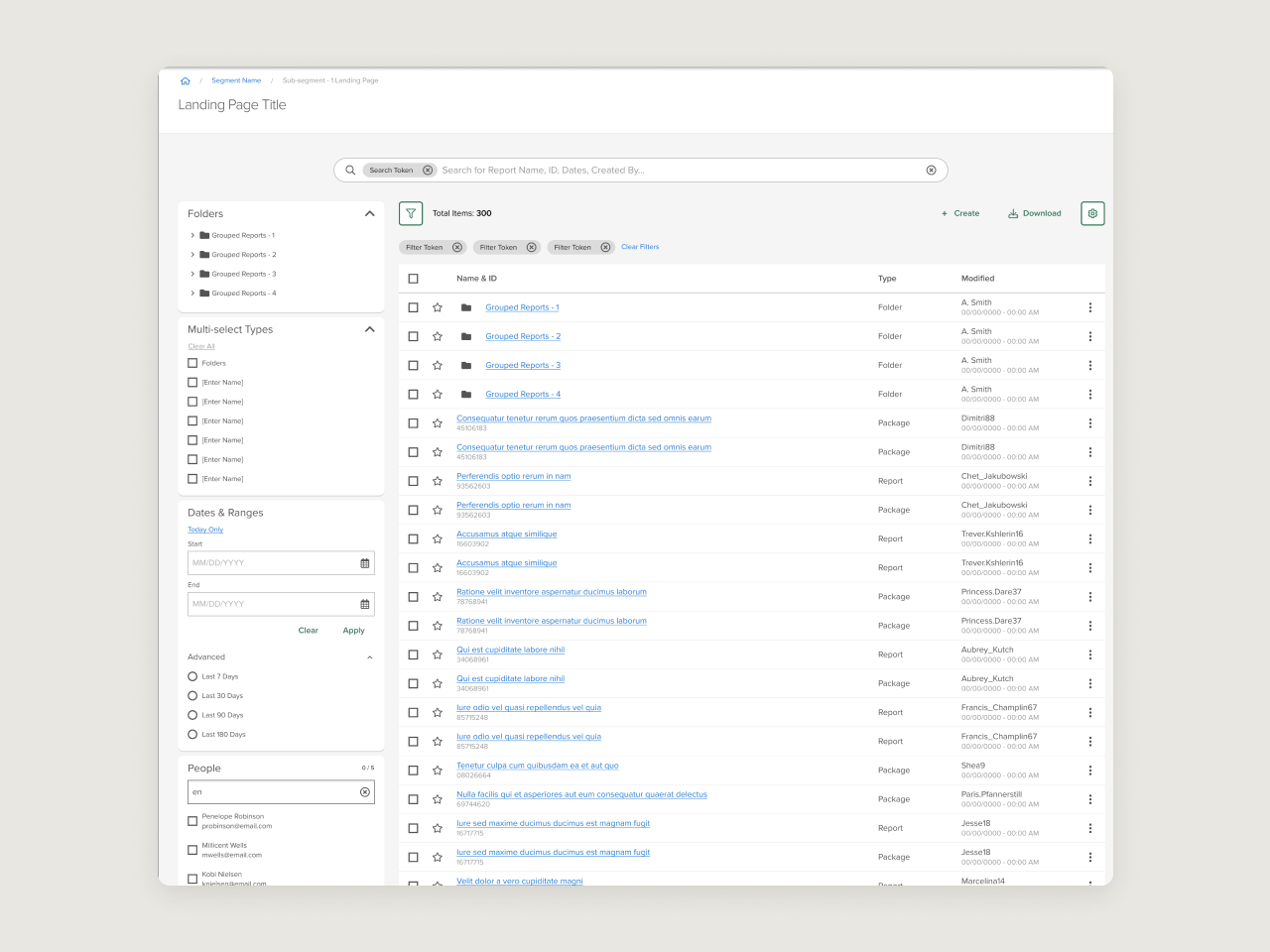
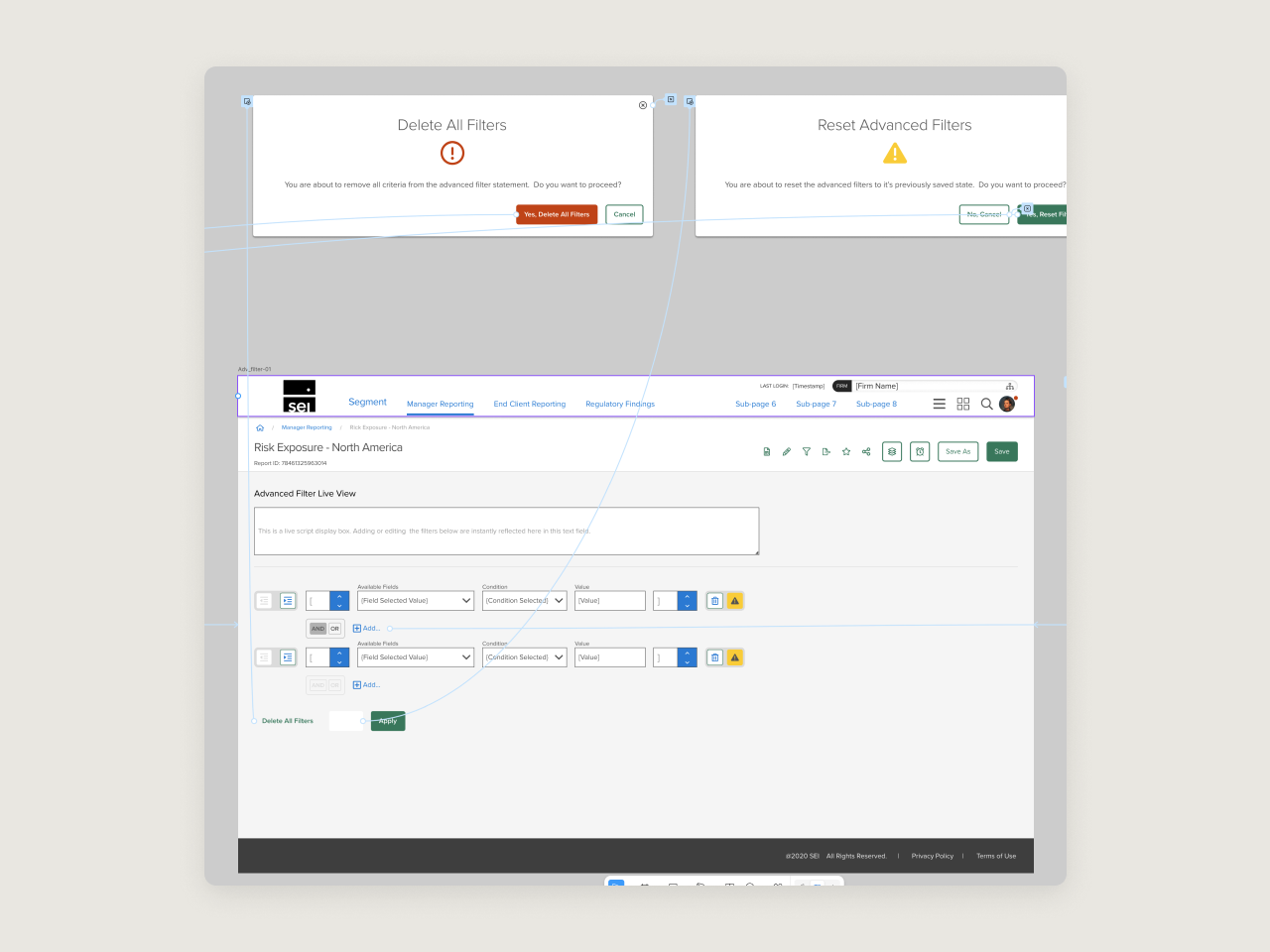
- High-fidelity Figma prototypes
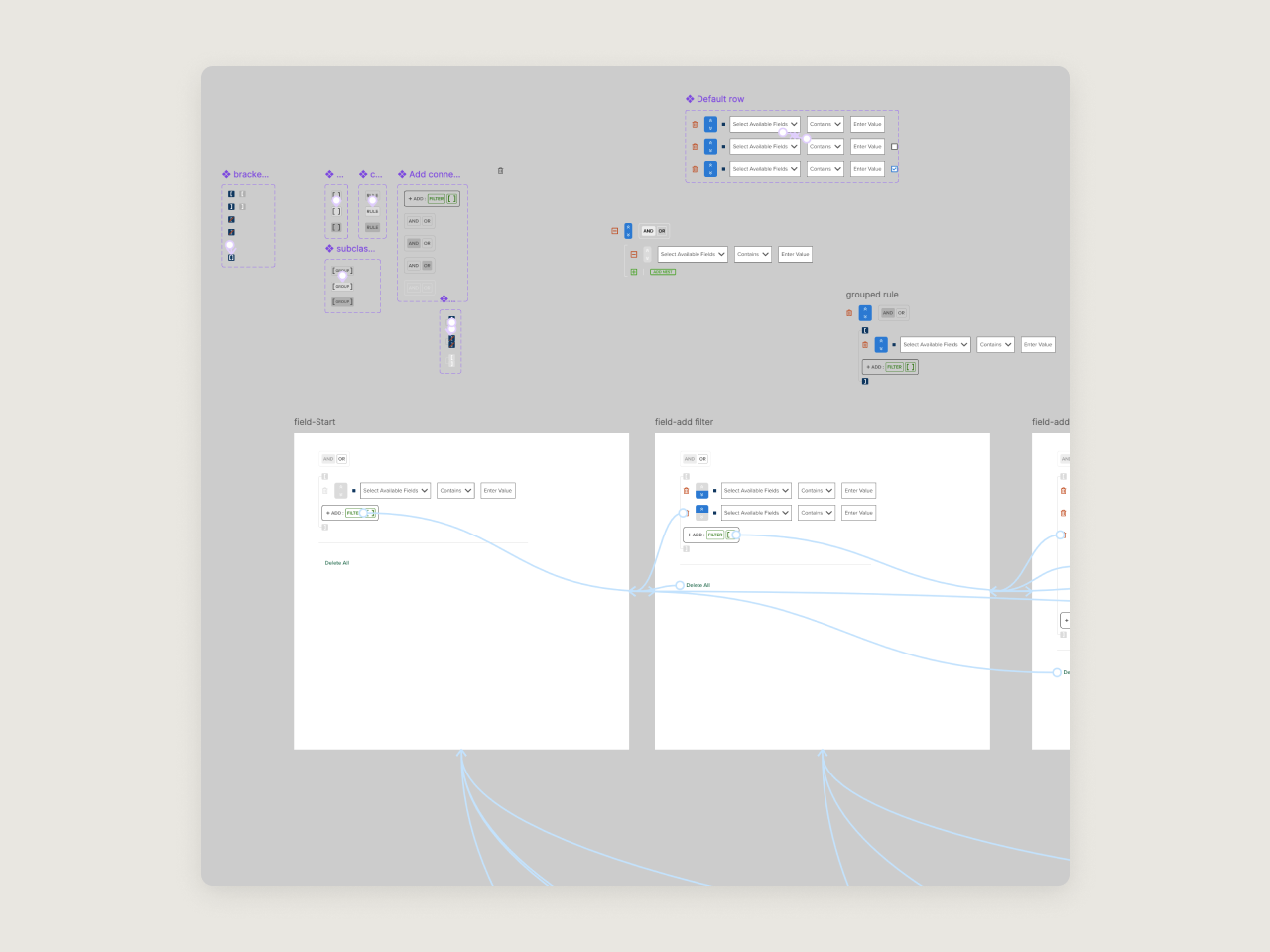
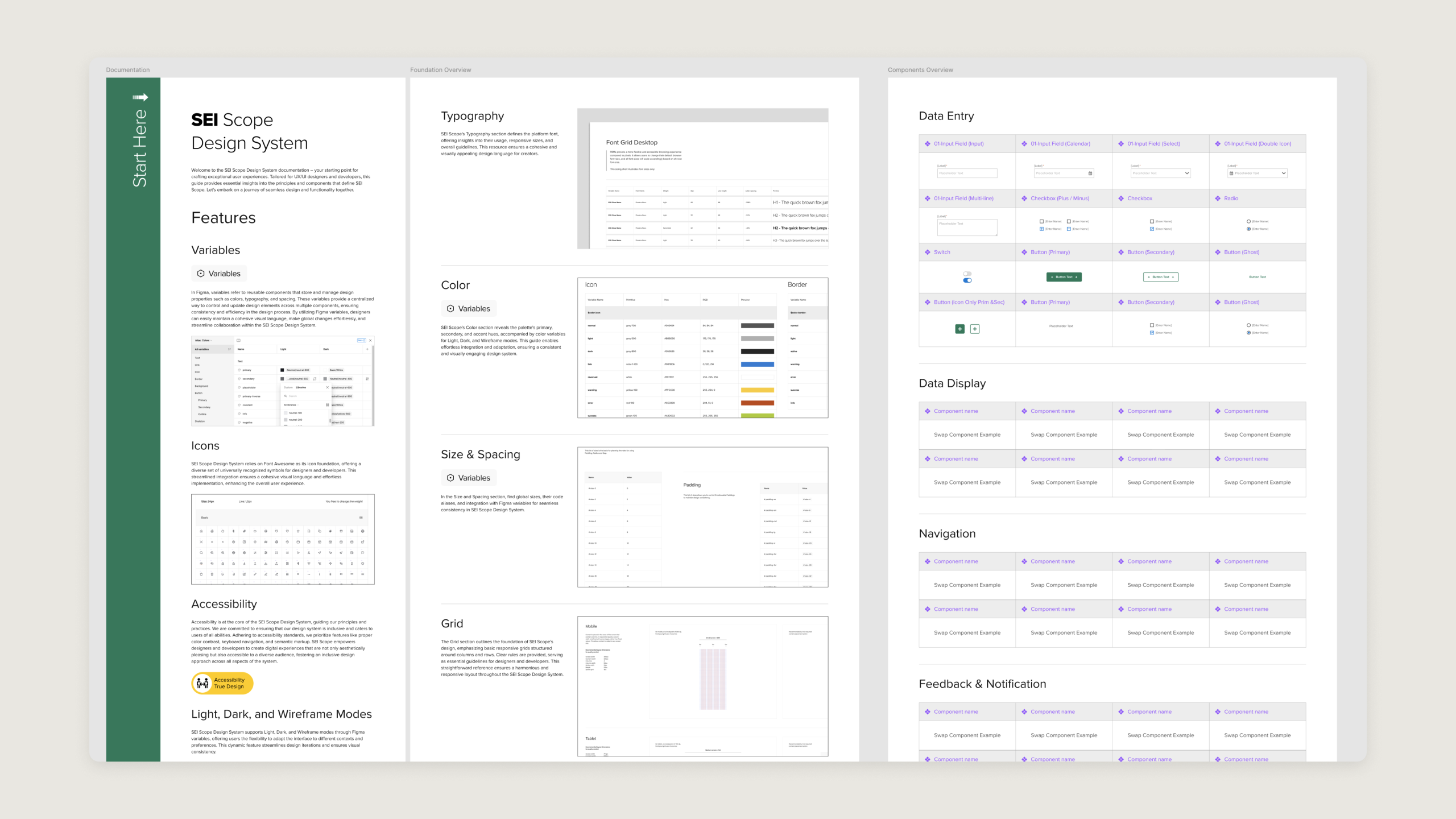
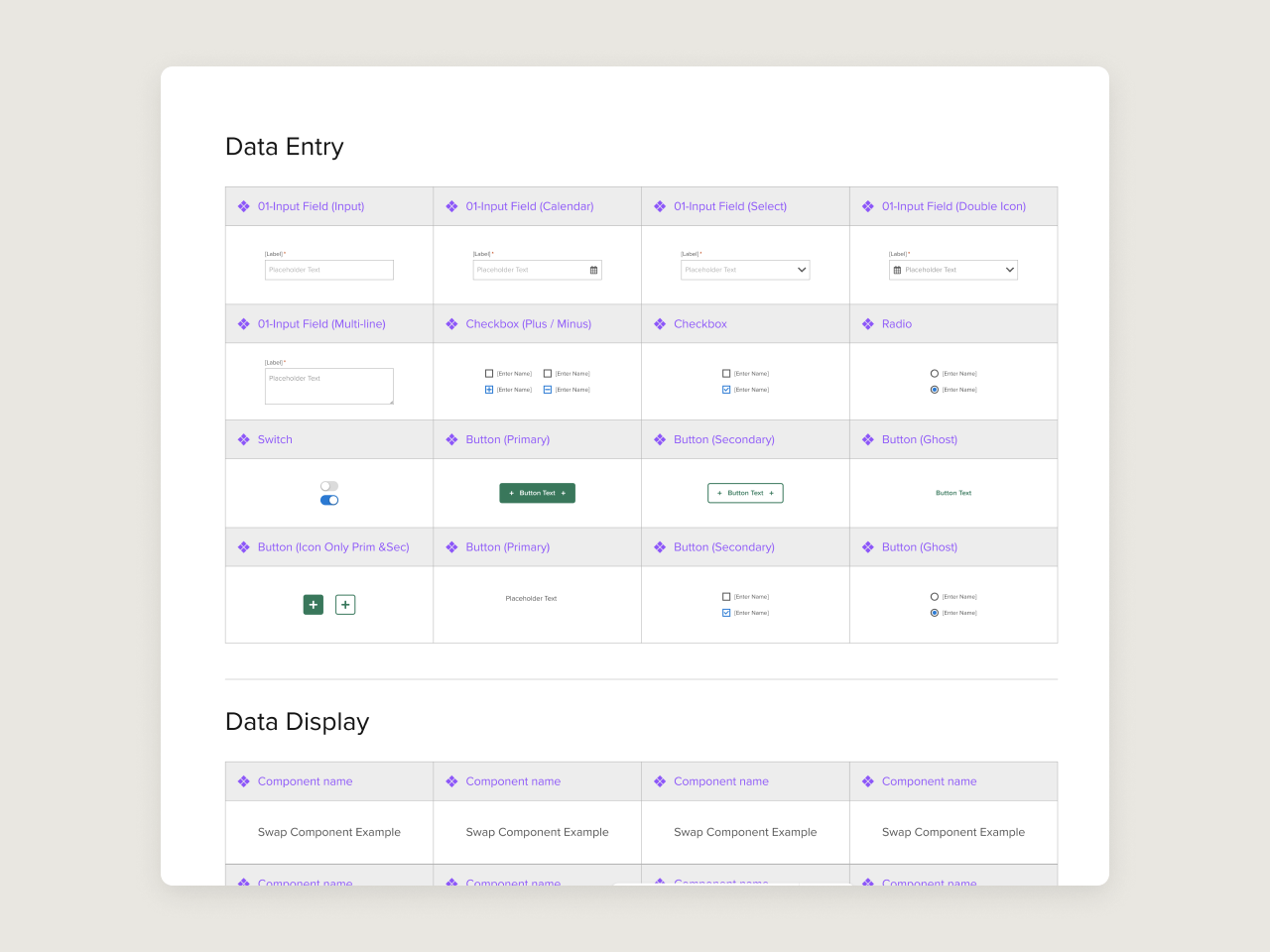
- Design system overhaul: type, colour and spacing tokens
- Navigation, search and filtering components
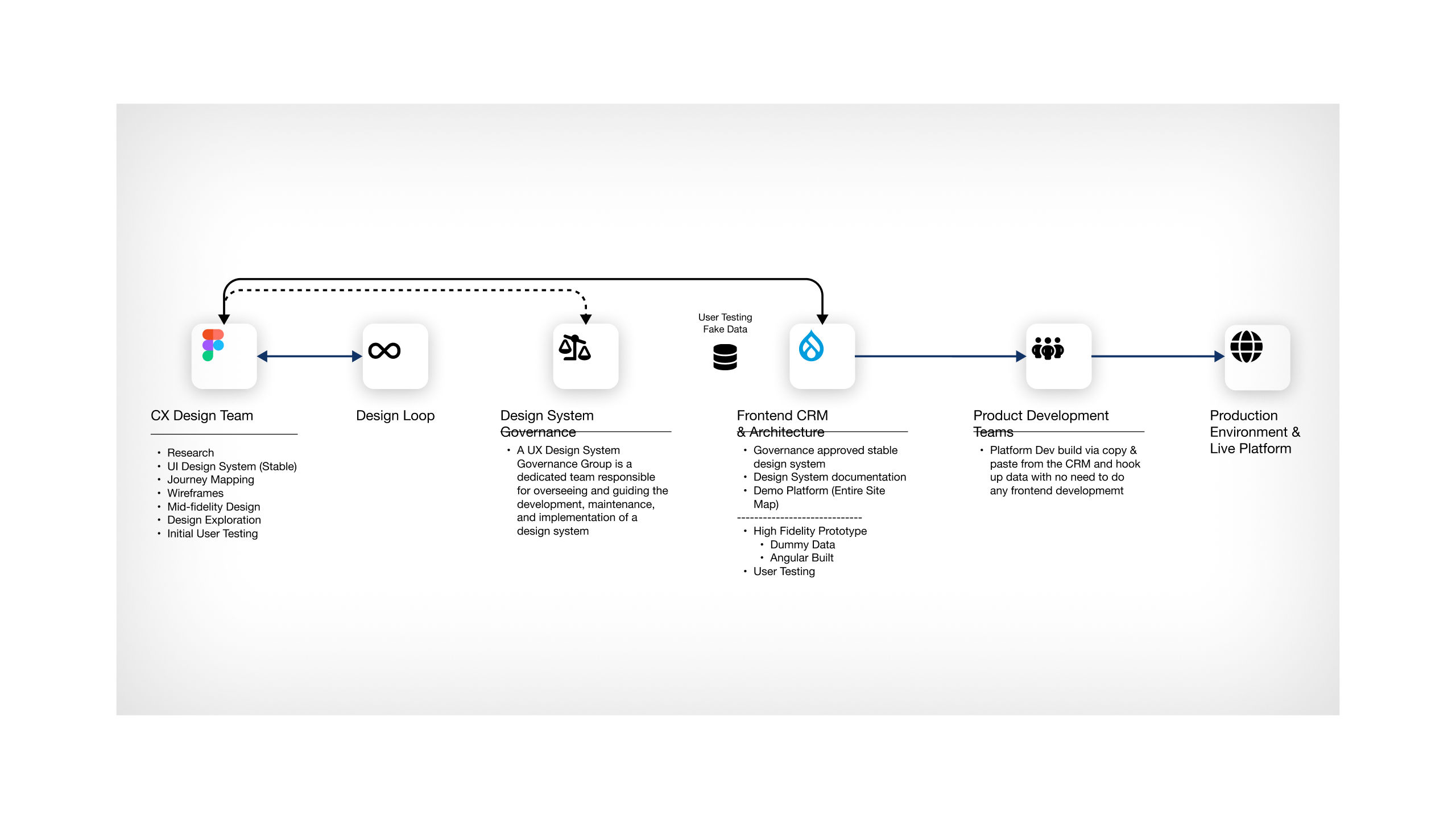
- Delivery model from Figma through governance to an Angular front-end layer
- Design system documentation (ZeroHeight)
- Design system governance reviews
- Client
SEI
- Sector
Finance & Insurance
- Disciplines
- Year
2022–24
- Role
Creative Director
- Agency
nimbl Consulting
- Team
Michael Mafodda, Resource Manager and Client Lead
- Live site
- Visit the live site
Hindsight
Avoid boiling the ocean
Starting small is so important. A true MVP would have started with one group of users and the features they needed, like a front-office dashboard with KPIs and rich client data to drive meaningful client conversations, or reports that are easy to build and output. That could have identified the features and functionality that were really needed. Every project began with a request for a better experience and grew to include everything. Avoid boiling the ocean at all costs.
One job, nothing else
It’s most effective to educate as you present design thinking. I focus on a component and talk about its job: it does this, nothing else. From there you can talk about the components connected to it. Sometimes the person struggling with design system values is a designer on the team, disconnecting components to reconfigure them. I challenge them to explain the need. A detached component adds complexity and forces dev teams to create variants of components that already work.
Review inside before you present
When a design team is stuck in what seems a never-ending spin cycle, it’s hard to stay focused. You start throwing things at the wall to see what sticks, and that doesn’t produce valuable thinking. On SEI, work was often approved by the client before an internal design review, so the design system kept expanding and the experiences grew inconsistent. Now I always expect internal reviews: they flush out issues, test decisions and give designers bulletproof arguments before they face the client.